


 2020-05-12
Online launches are still a new challenge for many event companies. How do you plan one from scratch? The following outlines core points covering venue, equipment, and team.
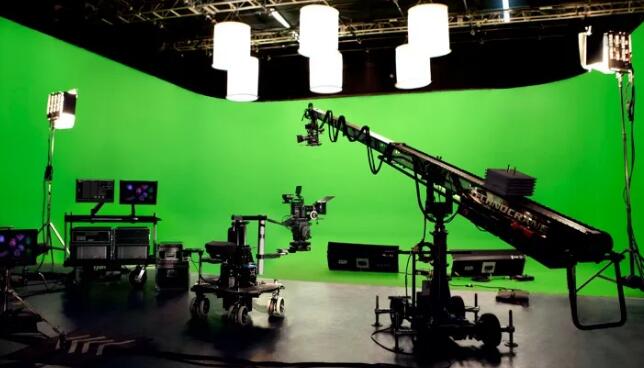
1. Find a Suitable Studio Venue
During the pandemic, large event venue approvals are difficult. Early brands that went online first used their own venues. With no audience, location and distance are no longer key. Column-free spaces are most suitable, offering flexibility and simpler operations. For example, a space over 3,000 square meters can basically meet all launch needs.

2. Professional AV Equipment
Online launches lack the immersive experience of offline events, so audiences have higher expectations for audiovisual quality. High-standard AV equipment ensures quality. It is recommended to use professional-grade equipment such as Dolby and DTS throughout to deliver a better experience. This budget should not be cut.
3. A Capable Technical Team
There are many good equipment suppliers, but professional international technical teams are rare. Brands are cautious about online launches, so choose a behind-the-scenes team with large project experience.
4. Broadcast-Level Directing and Network Support
Cinematic 4K shooting and broadcast-level directing teams are essential. Whether recorded or live, they provide professional services and technical support. Additionally, ultra-high-speed network lines ensure smooth streaming, which is important and often overlooked.
In summary, planning and preparing an online launch requires solving not only creative aspects for clients but also integrating resources such as venue, setup, equipment, technical team, shooting, directing, and network. The workload is no less than an offline launch and demands high professionalism from the behind-the-scenes team.
