


 2020-05-13
The sudden pandemic crisis has significantly impacted the events industry. To survive, event companies and businesses across various sectors have had to respond quickly to this extraordinary challenge. For events that rely on large gatherings, this period has posed a major drawback.
Many brands have devised new approaches to online live streaming, which can be seen as the best marketing method for shifting offline events online. What are the strategies for enterprise live-streaming marketing?
"Live + Launch": Live platforms have become a key outlet for brands to introduce new products to the market. French advertising planning companies, combined with e-commerce and other sales platforms, can directly convert live-stream traffic into sales.
"Live + Interactive Marketing": Combining live streaming with social platforms attracts social media traffic to participate in online live events. It is possible to try integrating online and offline efforts, recruiting fans to participate in person to satisfy the public's curiosity.
"Live + Content Marketing": Novel and engaging content is key to standing out in live-stream marketing events.
"Live + Ad Placement": This subverts traditional deliberate advertising methods. In an interesting live-stream scenario, combined with viewers' direct comments and feelings, product and brand promotion occurs naturally.
"Live + Personal IP": Live platforms have become a powerful outlet for the "internet celebrity" economy, providing a broader fan base for "individual" streamers.
"Live + E-commerce": E-commerce platforms have numerous users and concentrated traffic. KOL guidance can significantly influence consumer output, with notable results.
Xiaomi 10 New Product Launch
During this special period, the launch of the Xiaomi 10 set an excellent precedent. An "audience-free" event established a model for event formats during these times. The Xiaomi 10 launch attracted 2.99 million online viewers, and Weibo views reached 1.26 billion, setting a new high for online live streaming. It proved that online live streaming is highly effective.
iQOO 3 New Product Launch
On the afternoon of February 25, the iQOO 3 new product launch was broadcast live online across the web. While delivering a powerful new device to users, the event also showcased new approaches for the industry during this special period. To help users better understand product benefits, the live-stream process included situational skits to illustrate user pain points, adapting to the online channel. The staff also gave theatrical performances, enhancing the live-stream's appeal and aiding user comprehension. After the product presentation, a second live-stream room was opened to answer netizens' questions in real time, providing more product information. Compared to traditional launches, this format brought the brand closer to users. Various lucky draws were set up based on different platform attributes to boost user participation. The stage visual design maintained iQOO's consistent style, ensuring that even without an in-person audience, the visual presentation upheld the high standards of an offline launch.
NEX 3s 5G New Product Launch
The "Future Without Boundaries" NEX 3s 5G online live launch brought offline sensory experiences online through an AR cross-dimensional presentation. A green screen space was built for filming and live streaming, with AR technology used in post-production to create the visual environment and showcase product performance. Whether online or offline, visuals remain paramount. With synchronized pre- and post-production, and the coexistence of reality and virtual elements, the NEX 3s created a cinematic "future fantasy." To maintain audience attention, the event also included multiple lucky draw segments to encourage participation.
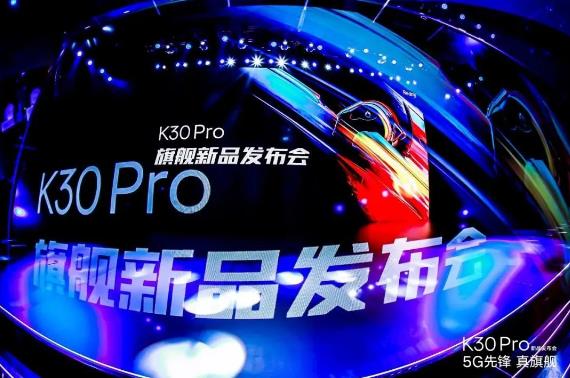
Redmi Launch
Redmi created an immersive, multi-scene interactive live launch with strong visual impact, high engagement, and professionalism. Through expert interpretation of Redmi series products, the online launch was crafted as an "art film." Multiple scene transitions provided dedicated display modes for different products. In terms of interaction, Redmi leveraged celebrity blessings and the strong appeal of brand ambassador Wang Yibo to build excitement. For instance, Wang Han from "Day Day Up" appeared via video at the event. To address the brand's strong need for sales and product promotion, the launch later included unboxing experiences and professional reviews. According to statistics, the day after the launch, the Weibo live platform had garnered 26.24 million views and over 320,000 likes.
In reality, online and offline launches each have their pros and cons. Offline events emphasize authenticity and experiential feel, easily evoking audience emotions and creating brand memories. Online launches, however, are more convenient, offer better reach, and save manpower, resources, preparation time, and costs, making them a highly worthwhile event format during this special period.
